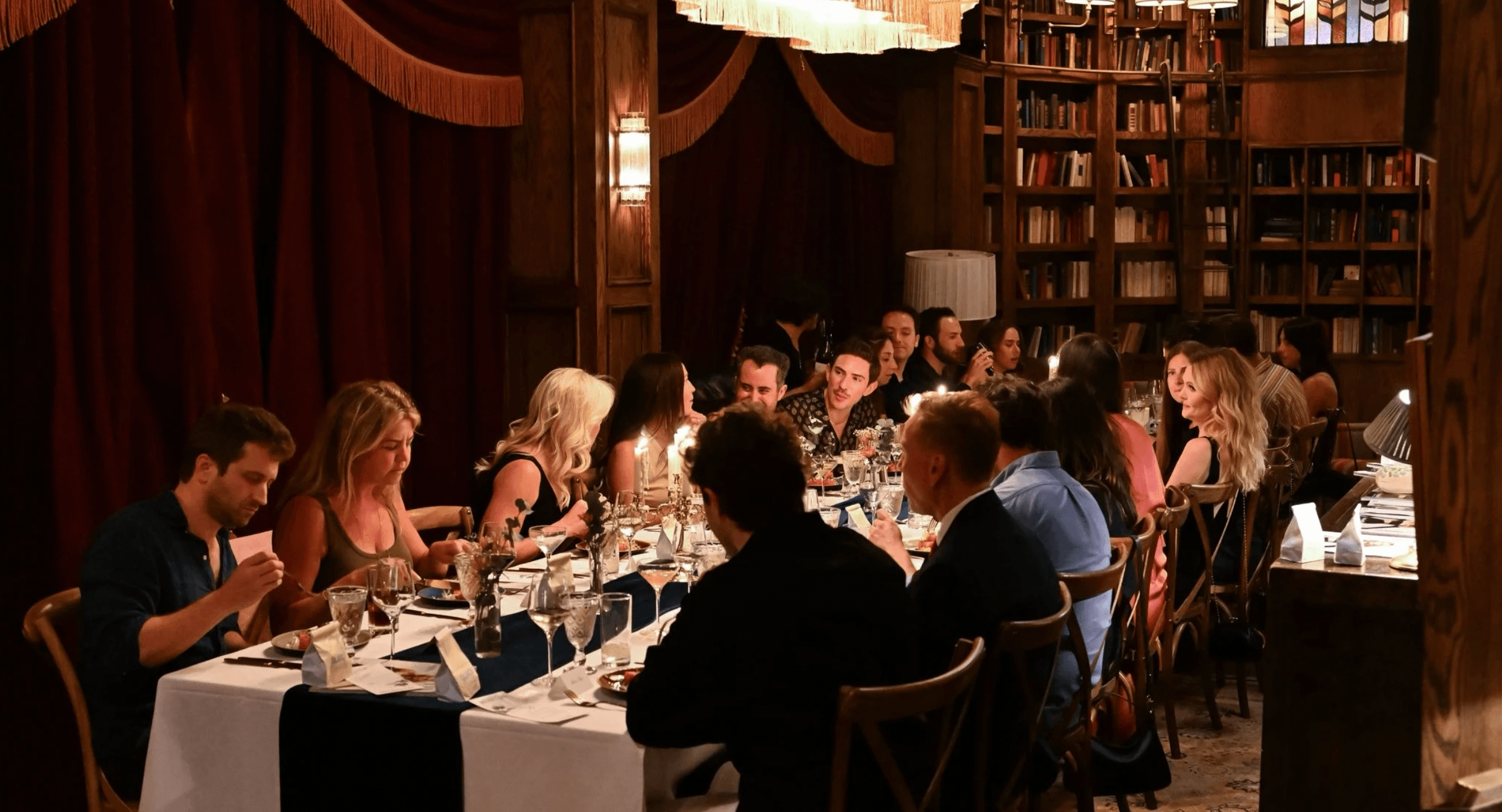
In the clamor for community there are all types of community organizations that have popped up, but perhaps the most visible has been the numerous Dinner Clubs or “Social Clubs Without A Campus” that have become a staple of post COVID social life.
There is Joust for gaming.
There are a ton of Jewish organizations that have popped up around the Friday tradition of Shabbat like Shabbat Club, Friday Tables, Hot & Holy and more.
There are non race, religion or ethnicity specific supper clubs like 10 Chairs, The Dinner Table and many more, and a ton of activity based backgammon and mahjong clubs.
And there are events organizations that bill themselves as Social Clubs without a campus or “modern universities” like Parlor and Ivy Connect.
I love many of these organizations and many of them have hosted at Maxwell.
But as community organizations they are not sustainable. That doesn’t mean they can’t be valuable or even make money, but as community organizations they cannot last without a permanent physical presence.
I know because Maxwell started this way, as an organization called SupperClub – we hosted dinner parties in SF, NYC and London.
And it was great for a while, but at some point we ran out of steam.
Here’s why . . .
Events Have Negative Selection Bias:
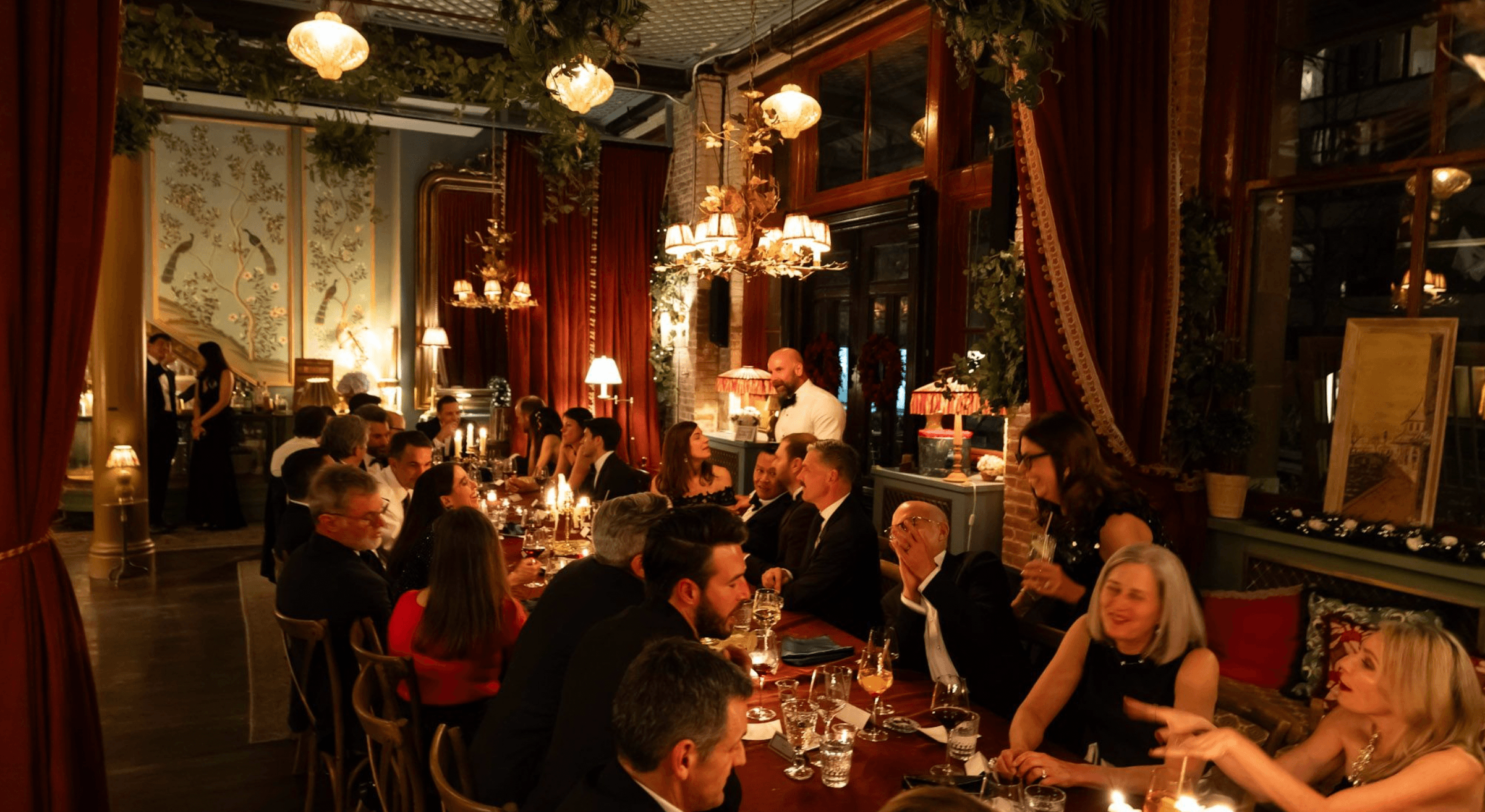
Our first supper clubs were insane – royalty sitting next to the startup founder you’ve heard of next to a Broadway star. And everyone said it was the best dinner they’d been to. But the coolest people had the busiest schedules – the Broadway star had a performance the next party we scheduled, the startup founder had a board dinner and couldn’t make it . . . while the person who kind of annoyed you, frankly, the least desirable person at the dinner party, well, that was the coolest thing they were invited to all year and they were DEFINITELY going.
It’s Not Just Unsustainable, it’s Unstable
Most businesses can get to a point of stability. A local Chinese restaurant still requires a lot of work to keep the business running smoothly but you end up with regulars, you develop a reputation in the community and you can end up building a degree of brand equity where people want to show up.
The problem with event series is that they are almost like nuclear half-lives, degrading every month, while I will still be as hungry tomorrow night as I am today and as likely to purchase food from a Chinese restaurant, if I make new friends at a dinner party last month my need for the product actually diminishes - “meeting new friends.”
Events Cost A Lot Of Money:
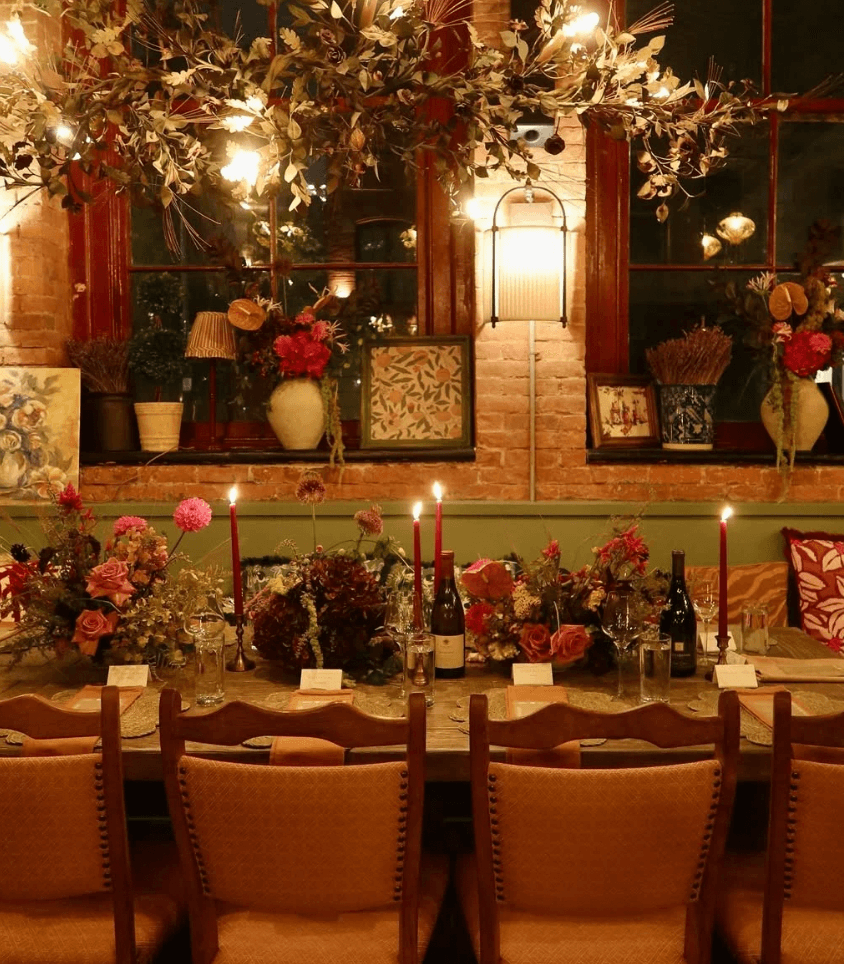
There is a premium on activating so infrequently and not owning your real estate. Activating once a month or twice a month means that you are paying event rental real estate costs, which can be up to 10-20x as much, and catering costs.
It’s why you see so many supper clubs with $150-200 tickets for a dinner. Because activating selectively like this costs money.
When we ran supper club I mostly got free spaces from rich friends and did a ton of manual work ourselves.
But what that means is eventually your rich friend gets tired of supplying their space, and you get tired of donating your time, or people get tired of spending $150 for a dinner that costs $50 elsewhere . . . and when the value they are getting, of making new friends, becomes less valuable, well, they churn.
Meeting New Friends Isn’t Sustainable – Keeping Up With Friends Is
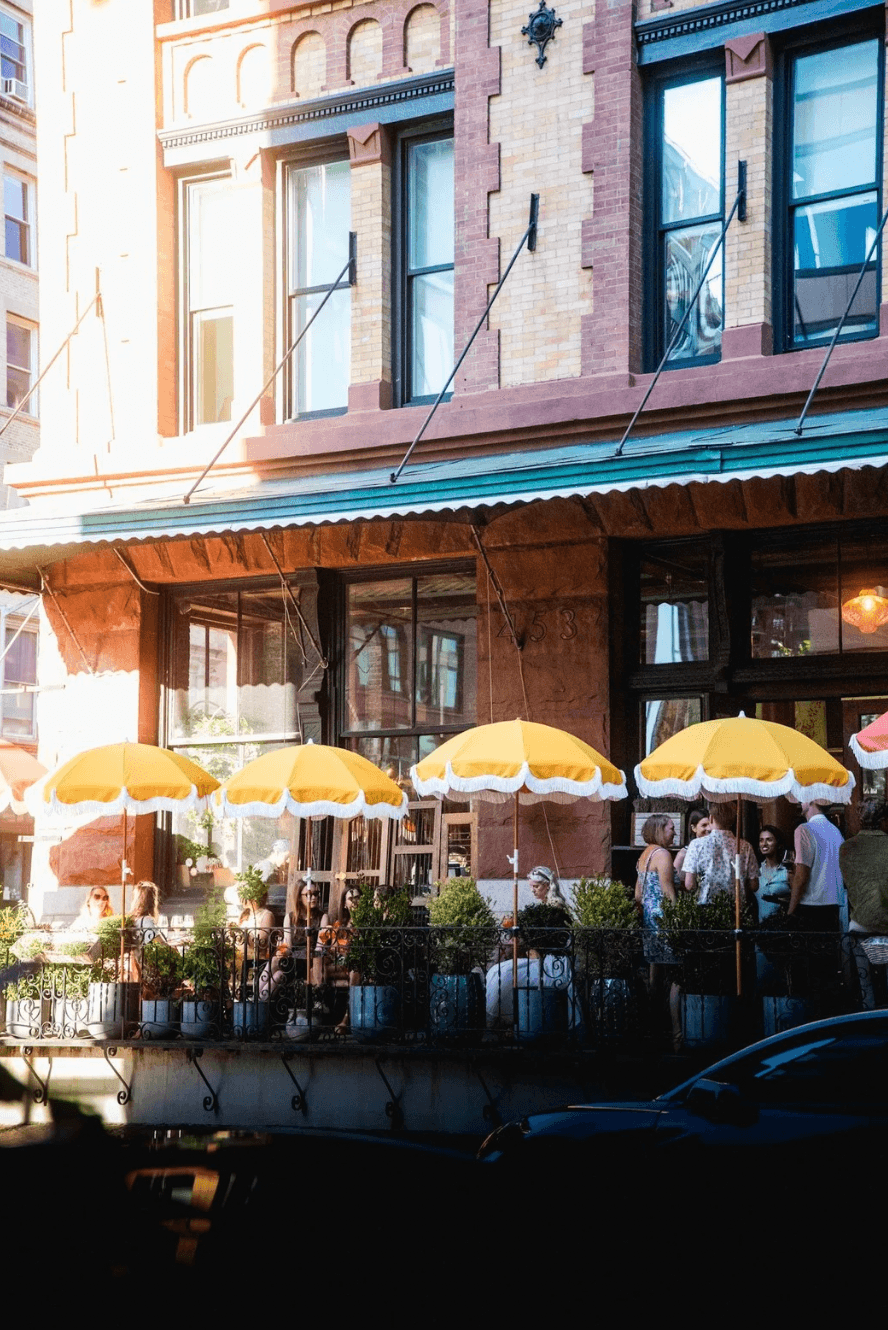
This was the ultimate lesson of SupperClub and what led to Maxwell – most event based businesses are ultimately based on meeting new people, but once you’ve made your friends what you really want to do is just have a better way to run into them.
Because making new friends is exhausting – even in a curated room there is still a relatively low chance that you will resonate with someone and not have to do at least SOME level of small talk.
That’s why you make most of your friends in college during welcome week or fraternity rush and then the campus and the college atmosphere simply helps you run into them more.
The campus is an essential part of the equation.
It’s why we understand that the experience of going to a “commuter school” for college is very different than living on-campus.
Event based supper clubs are the city community equivalent of a commuter college.
Community businesses shouldn’t be about “meeting new people,” they should be about cultivating that sense of home, about doing everything possible to cultivate a group pof regulars that essentially “lives” in that community vs “attends” it.