
The single most annoying comment I get after I’ve finished explaining Maxwell to someone is “so it’s like Soho House/Zero Bond” – it’s usually a sign the person wasn’t really listening – our members cook in the kitchen together, we don’t have a restaurant, etc., things that unless they have been living under a rock they have to realize are clear differentiators from every single one of our competitors.
Maxwell positions ourselves as the most intellectual and the most genuine social club out there – we want to bring back the social club on a corner, and we want our programming to reflect the type of intellectual and cultural engagement our members crave – debate nights, idea dinners, chef’s in residence, and we want our members to actually be friends, so we require 4 interviews before joining and let any member veto any other new members. We are very opinionated that other social clubs are basically “gated restaurants” or “subscription spaces” – spots that do nothing to facilitate real community.
So how does what we’re doing stack up against everyone out there running a “members club.”
Here is our comprehensive overview of how you should think about every club.
Membership Applications, Ages, Criteria & Size
We’re obviously biased here but this is our best reading of the demos at each spot.
Our age range at Maxwell is mid twenties to mid 40s but we accept all ages – we have found the type of community we are building is particularly appealing to those people who are entering a phase of life where gathering with friends has all of a sudden become more difficult – the late twenties realization that many of your friends have gotten married, moved to Brooklyn or another city even, and your group text thread has suddenly gone quiet.
Cipriani has a reputation for a lot of Euros and models.
Zero Bond’s reputation is a bit more clubby vibe – it was featured in Succession.
San Vicente Bungalows is a bit more entertainment.
Flyfish is a lot of crypto bros for the obvious reasons that it started out as an NFT to fundraise.
CraneClub is basically a glorified night club as it’s started by the TAO group and you can guess the types of crowds that it attracts.
Soho House is people who use it at this point for traveling or people who don’t realize it’s not cool anymore at 150,000 members. Everyone “creative” there owns a creative agency.
Chez Margaux is the epitome of the New York “scene” with lots of influencers and famous people and as it’s in a basement it’s a bit more of a night time going out scene, hosts a lot of famous DJs.
The 22 I don’t know much about but seems to be a bit more fashion-y.
Maximes seems to be euro transplants and super wealthy, probably the oldest demographic of the group, the members I”ve met are CEOs of Fortune 500 companies and the younger members I know have mentioned they are very intent on attracting a younger clientele, something you don’t usually hear if it comes easy to them.
Core Club is similar – located in midtown I’ve only ever been for meetings where I see Family Offices camped out taking meeting after meeting.
But the fact is many people are all members of all these clubs – there is a type of wealthy well connected New Yorker who wants to be part of the scene, and each one offers something different – you may use one to take business meetings, another to make sure you always have a dinner reservation in your neighborhood, another for a night you want to go out dancing.
Many of them have the same knock as well – it’s common to hear about how there is a distinct “middle aged man hitting on women who may or may not be escorts” vibe at some of the newer clubs. It has led to a difficulty in attracting young women as members to many of them.
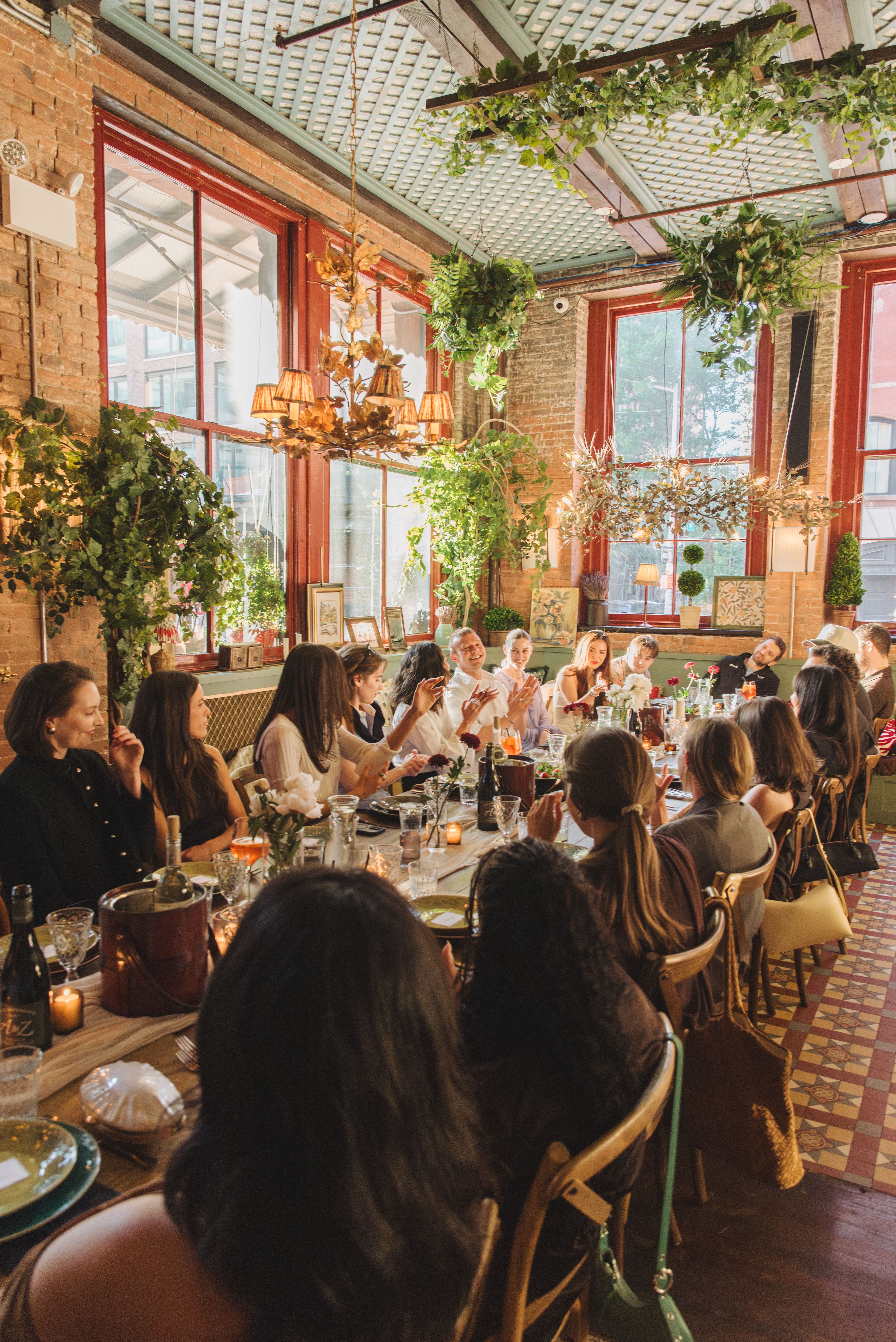
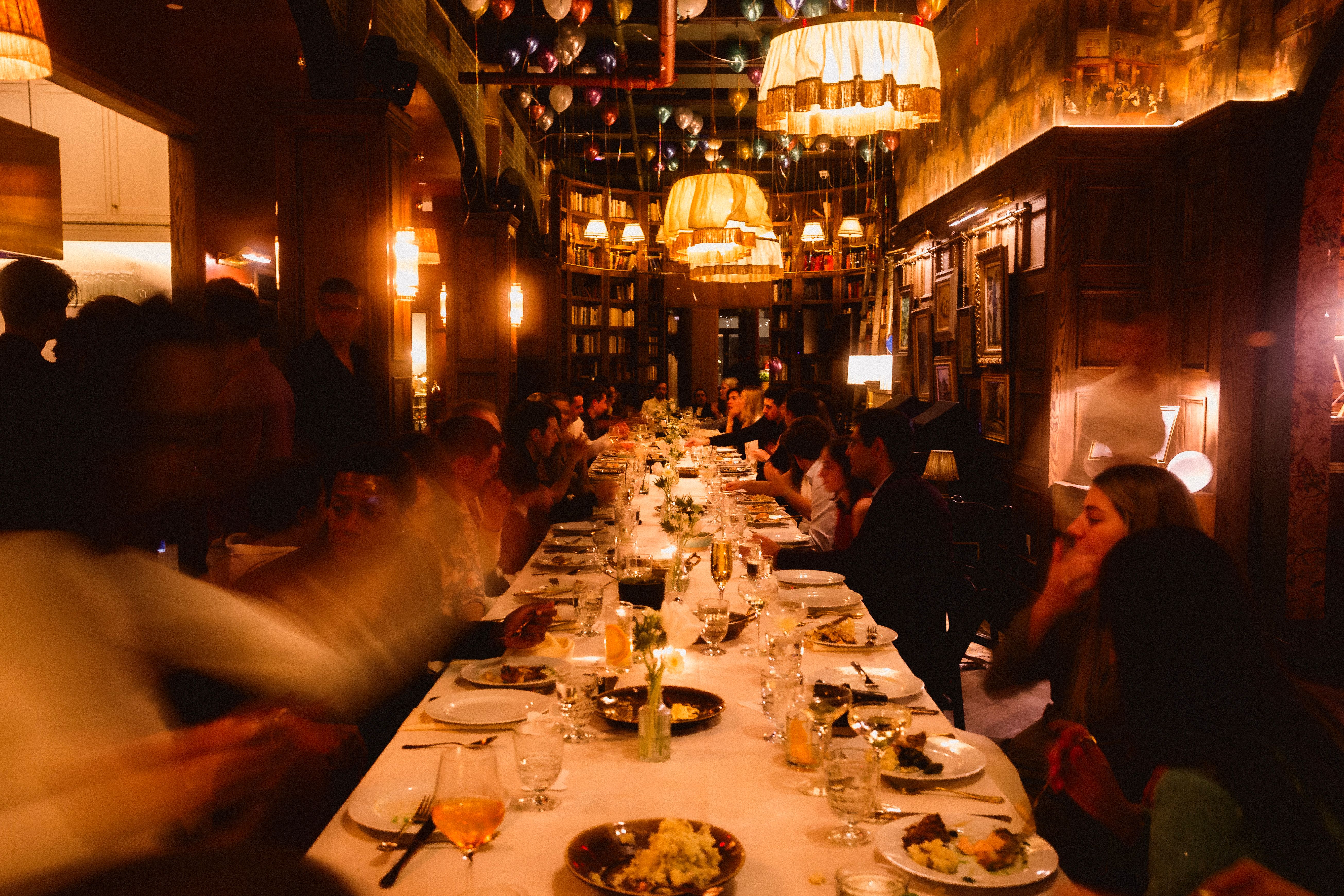
Each club tends to do only one thing very well, and Maxwell is no exception – we are only open on Fridays, Saturdays and Sundays – we want to be the club for you and your close friends to hang out in, a sort of Hamptons sharehouse in the city, where you can drop by and always see a familiar face. Our membership is in the hundred not 10’s of thousands, and our criteria is simple – do we want to be stuck at a dinner table for 3 hours with you.
As a consequence Maxwell does not try to compete with your Monday-Thursday plans – we are closed those days, and only open Friday/Saturday/Sunday. We do not have a restaurant and our food service is for specific events and often even cooked by members. We do not have a gym and you can’t use us as a coworking space.
But we have an open bar happy hour for members every Friday from 5-8pm.
Every Friday during the day a private chef cooks pancakes and eggs for the members.
We have a monthly debate night, classical book club, geopolitics dinner club and more member run programming.
And every Sunday we activate with our chef in residence program to bring in new culinary talent for a unique experience.
Maxwell only makes sense if you really want to hang out with the members.
Private Members' Club Comparison
Entry Fees • Annual Dues • Space Access • Amenities • 2024-2025
| CLUB | FEES | ACCESS | AMENITIES | ||||||
|---|---|---|---|---|---|---|---|---|---|
| Club Name | City | Entry Fee | Annual dues | Weekdays | Weekends | Bar | Restaurant | Gym | Spa |
| Maxwell Social | Accessible | $1,000 | $2,700 | Closed | 9am-1am | ✓ | — | — | — |
| Soho House | Accessible | £550 | £2,500+ | 8am-1am | 9am-1am | ✓ | ✓ | ✓ | ~ |
| The Ned | Accessible | £1,000 | £3,465 | 7am-1am | 8am-1am | ✓ | ✓ | ✓ | ✓ |
| Chez Margaux | Accessible | $2,000 | $3,600 | 5pm-2am | 5pm-2am | ✓ | ✓ | — | — |
| The Twenty Two | Accessible | £1,200 | £2,250 | 24hr | 24hr | ✓ | ✓ | — | — |
| Casa Cipriani | Accessible | $2,000 | $3,900 | 7am-1am | 7am-1am | ✓ | ✓ | ✓ | ✓ |
| San Vicente Bungalows | Mid-Tier | $1,800 | $4,200 | 8am-2am | 9am-2am | ✓ | ✓ | — | — |
| Maximes | Mid-Tier | Private | Private | Noon-1am | Noon-1am | ✓ | ✓ | — | — |
| Aman Club | Ultra | $200,000 | $15,000 | 24hr | 24hr | ✓ | ✓ | ✓ | ✓ |
Soho House joining fee is redeemable against food & drink spend. Aman Club $200,000 entry is one-time lifetime legacy fee, not annual.Maximes (opened March 2025, Robin Birley) fees are undisclosed; invitation only. Space access hours are approximate and may vary by location or event. ~ denotes limited availability or select locations only. Sources: club websites, Robb Report, Country & Town House, Hotels Above Par, Dan's Papers, 2024-2025.
Membership Participation:
Most old school clubs are genuinely run by the members. It means it can take a year to join, it’s wildly disorganized and outdated, but there is a President of the club, various committees and decisions are made by the members.
Most of the most recent generation of Soho House clones have next to no participation. At best they have member committees – in exchange for free membership, these members scroll through the Instagram profiles of applicants and essentially swipe left and right on who should become members.
Some are consulted in a token way, and sometimes the smaller town versions of the big clubs (Soho House Austin for example) have more active participation at the start of the formation of the clubs, but as a rule there is very little actual participation.
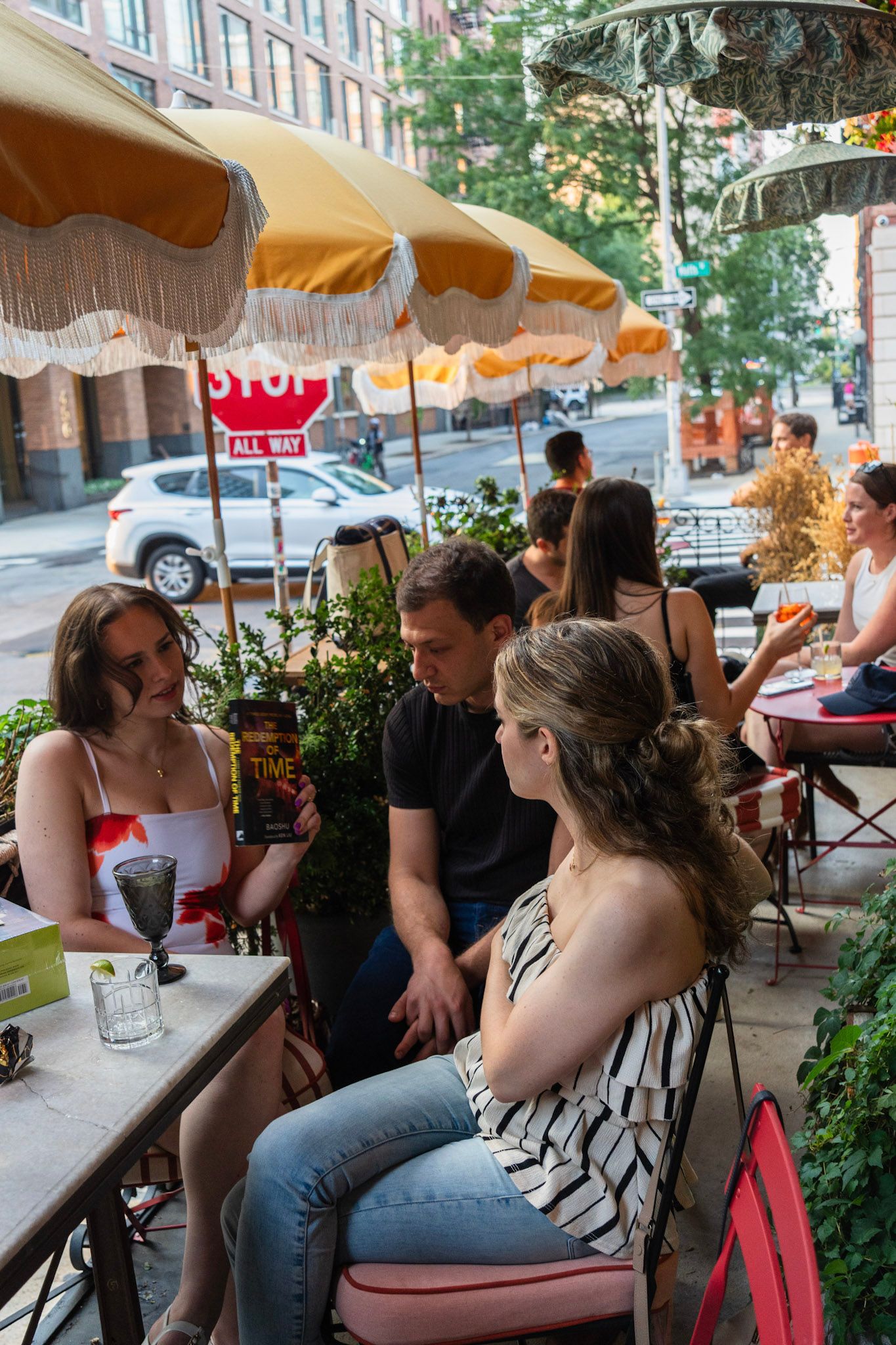
Maxwell has an executive committee of 10 members that helps set policy for the club, helps organize our rituals like Family Dinner, hosts a lot of the guys and girls nights and retreats and is in charge of representing the club.
We have a member cohort lead, an active member, that leads every membership cohort. Two additional cohort leads from the previous cohort help lead the cohort as well, so there are three community leaders helping onboard new members.
Our cohort program ensures that new members meet each other.
At any point members can raise their hands, plan an event and invite other members and some of our most iconic memoment
We have a Member DJ and Bartender program for members to get behind the bar and the decks.
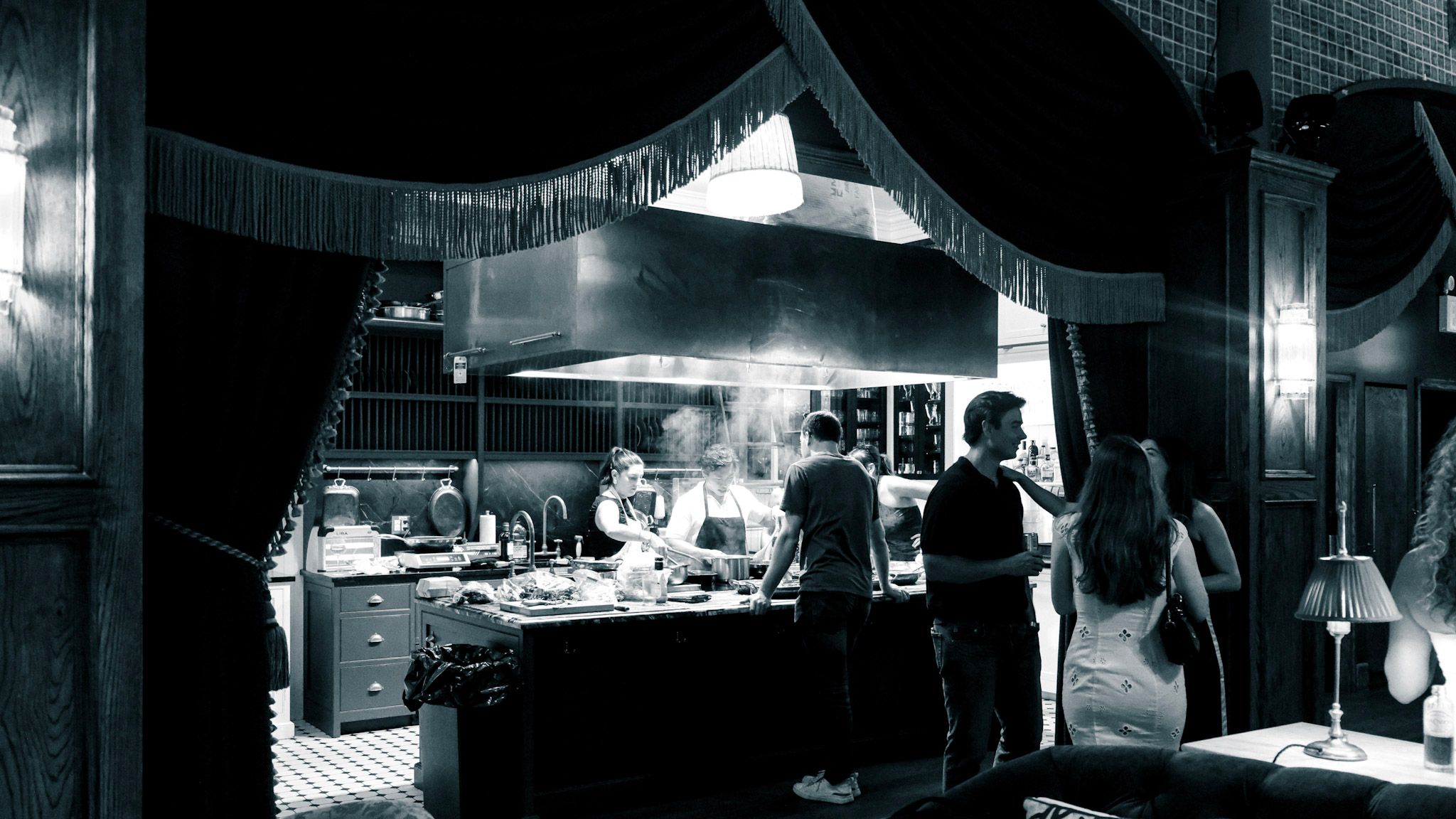
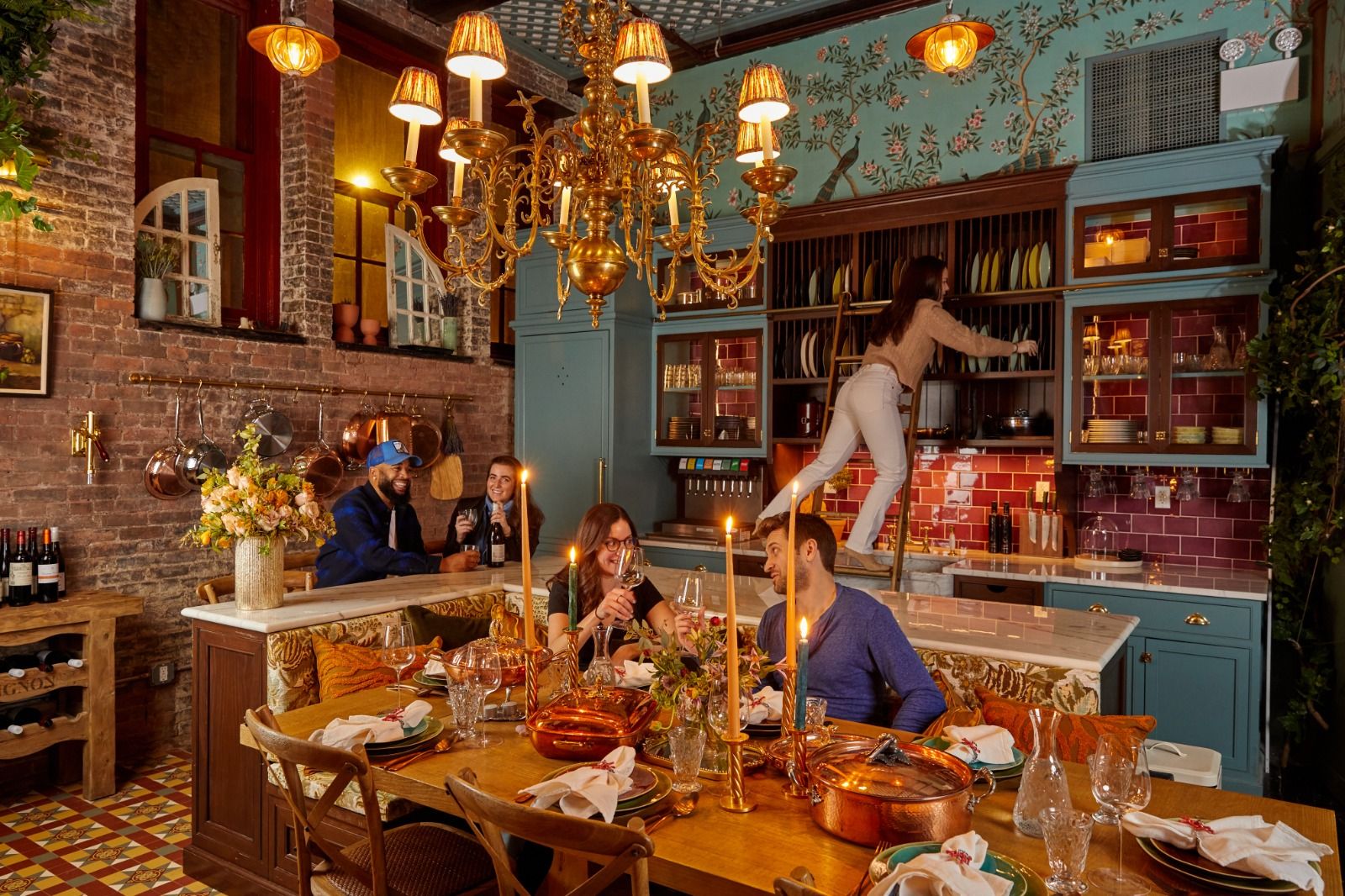
And our biggest tradition is Family Dinner, members cooking together in the kitchen.
Maxwell is all about participation, where other clubs are all about consumption. We don’t believe you should need to pay an extra fee to access just another restaurant, New York is full of amazing places to dine – what we our members want is community, so we prioritized participation.
Amenities - Hotels, Spas and Restaurants:
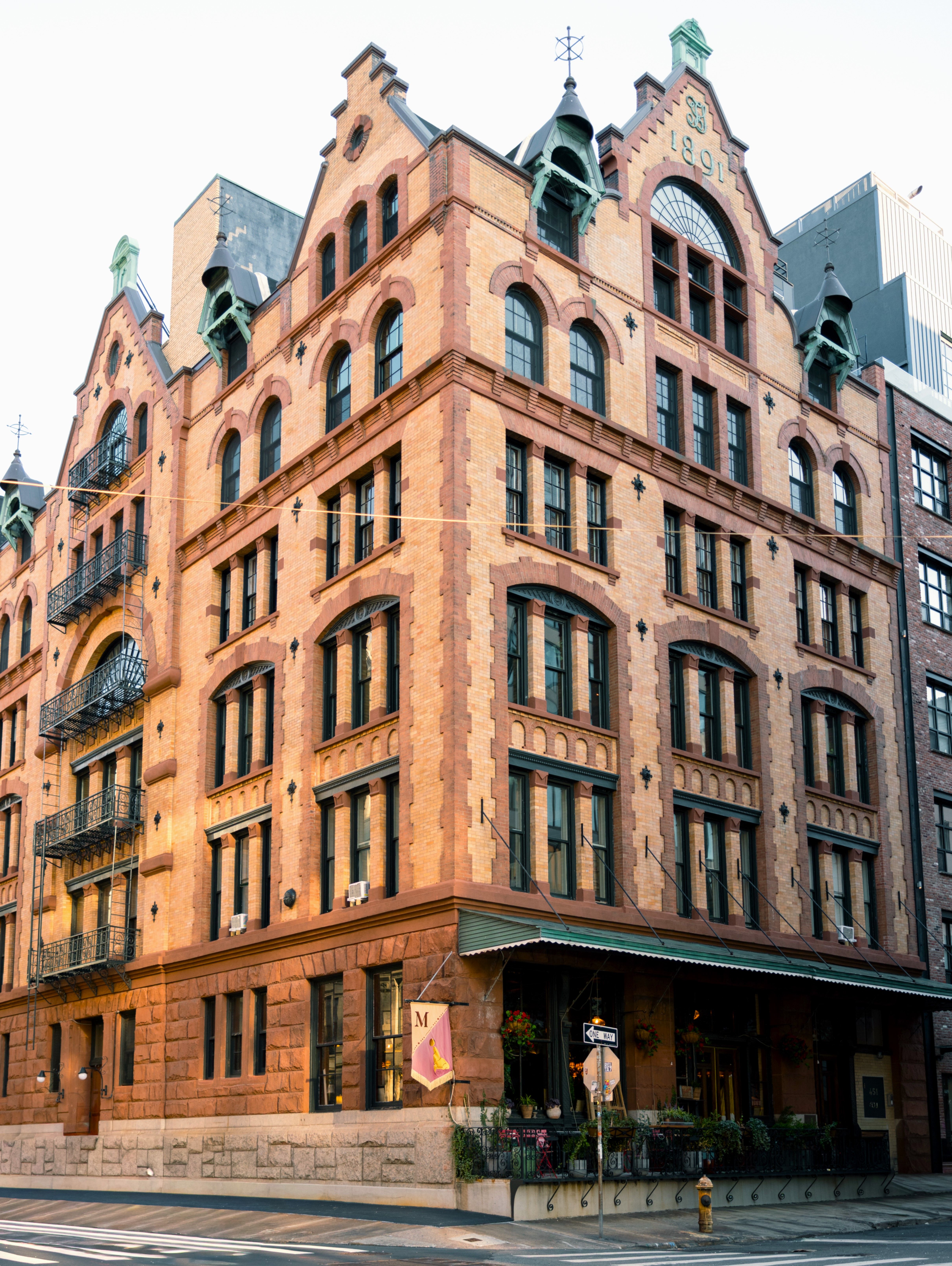
Almost all the private members clubs except Maxwell, Zero Bond and Maximes have hotels attached. Some are hotel first (Aman). Some have roof decks or outdoors spaces (Maxwell has a beautiful patio on the former loading dock of a Tribeca warehouse).
All of them have beautiful hang out spots and restaurants and bars.
Our view is that the more amenities the more members you need to cover your costs and the more likely it is you won’t like those members.
We call it the amenity flywheel – every new spa or gym service that you take on adds an operational cost of service that requires you to dilute the community product, until you have a bundle of spaces, gyms, restaurants, bars, theatres and more that you are just trying to run at break even, resulting in clubs opening their doors to more and more members.
Maxwell believes that by keeping our offering very specific – Friday-Sunday, community & participation first, a real group of friends, the type of offering the old school Italian American clubs used to have, we can deliver on that promise and let you go to Equinox for your gym, Bathhouse or Othership for your spa and Via Carota for your dining.
Private Clubs vs Social Clubs: Do Not Approach Rules
This is a huge differentiator and part of why we say almost every competitor to Maxwell is a private club, not a social club – every single private members club in New York that we know of has a “Do Not Approach” rule.
What is a Do Not Approach rule? It’s a rule that says that if you don’t know someone in the club you are not to go up to them and say hi.
Yes, seriously – there are clubs that call them social that prohibit you socializing with anyone you don’t already know.
The intention is to guard the privacy of celebrities.
But the funny thing is it’s also a way for private clubs and spaces that frankly do not have many celebrities to pretend like the place is teeming with them so they really, desperately, sincerely need this rule.
Our philosophy is if you don’t trust your members to act maturely around celebrities then those members simply do not belong in the same social club as the celebrities.
Many clubs use celebs as a way to just telegraph status – you may not ever get to speak to her but you can go home and tell all your friends you saw Taylor Swift on the other side of Zero Bond or Casa Cipriani last night.
In order to maintain that illusion though you can’t speak to her, because she wouldn’t show up if she had to hang out with a bunch of people who, well, joined because they wanted to be in the same vicinity as celebrities!
Public Access
Many private clubs do have some degree of public access. The restaurant at the bottom of The Ned, Cecconis, is present in a lot of Soho House’s around the world and is open to the public. The 22’s restaurant, Cafe Zaffri, is also open to the public. You can book a hotel room at any of the clubs that have hotels attached without being a member and have access to the full club. Many of these club brands also have associated publicly accessible sub or sister brands – Casa Cipriani came out of Cipriani which runs event spaces and restaurants around the world, and ZZ’s is owned by Major Food Group which owns Carbone and other hotspots around the world.
Some private clubs have ceased effectively operating as private clubs all together – Casa Cruz was much heralded when they came from London but has since become a general purpose event space and restaurant – at one point their Instagram bio literally said “not a private members club.”
Others are barely private clubs in the first place . . .
Beware of the “Private Club”
Being a membership club is so in vogue that many are simply slapping the name on what they’re already doing or cordoning off one small section so they can claim they are “members only.”
Crane Club’s main dining room is accessible to the public and it’s only a basement that is restricted to members.
Maxwell is two doors down from Foquets, which apparently has a private club. If you join you have access to the roof. But it’s a hotel with bars and restaurants accessible to anyone willing to pay.
Years ago I met some of the former owners of the Nomad hotel, now The Ned – they told me about shelved plans to start a private members club called The Penny, and they told me their logic: hotels always have issues with F&B that goes unused, gyms that are barely touched.
Why wouldn’t you charge a membership fee to the local community to access your facilities spaces?
It makes total sense and I totally respect the hotels for this strategy, but a true members club it is not – if they do no community building, if there is no stringent selection of members, if there is no identity, it’s not a members club.
More and more hotels will be calling themselves membership clubs and reserving a broom closet for those “members” in order to get more people in the local community using their space regularly – it’s merely the next phase in the local hotel lobby hangout trend that spots like Ace Hotels and The Hoxton did so well, turning hotels into local hotspots.
It’s all fine and well but don’t expect community out of these spots.
Reciprocal Memberships:
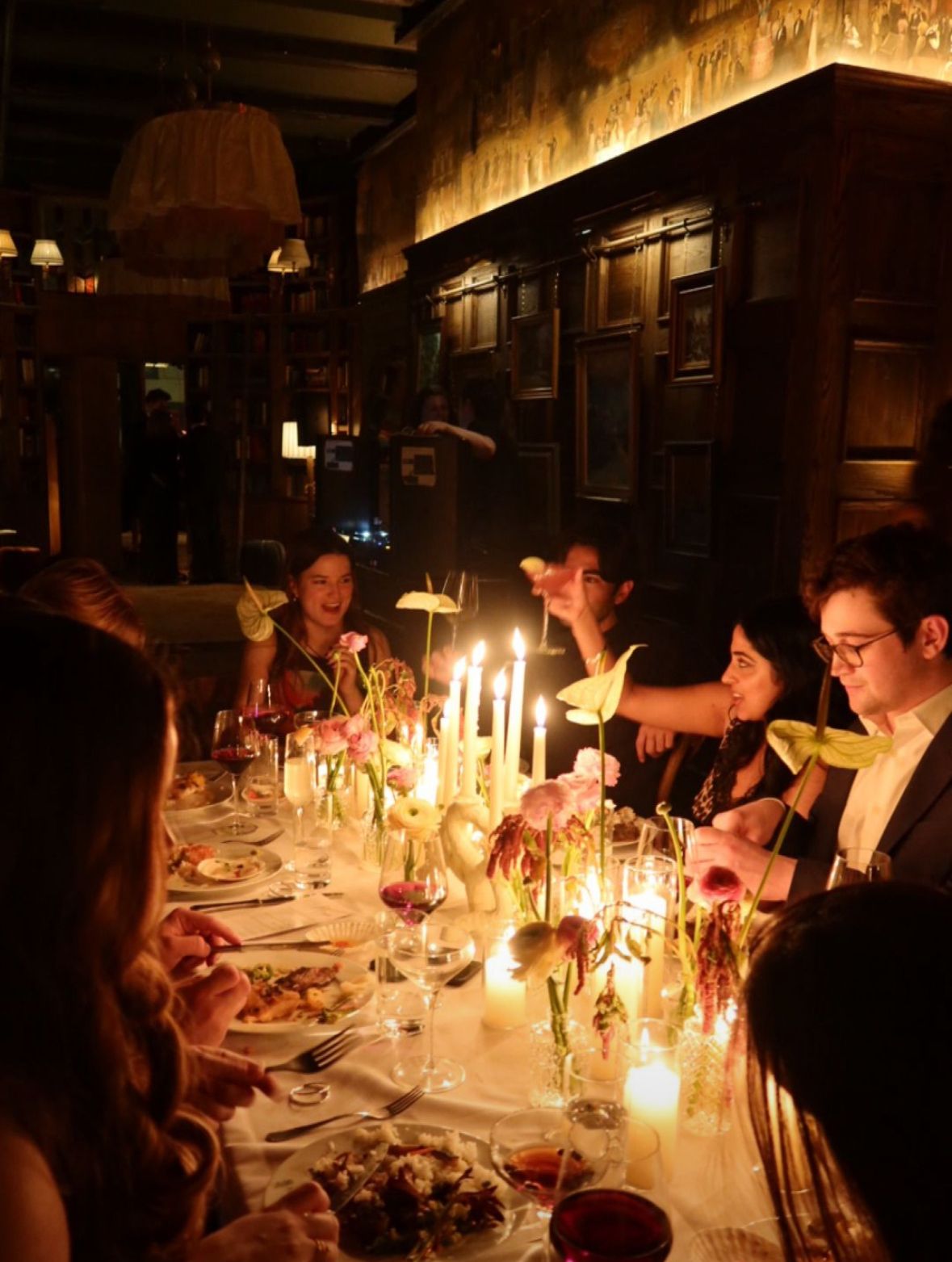
Many clubs offer what are called reciprocal memberships – if you are a member of one of the clubs you can access other clubs, often in different geographies. The purpose behind this is that many clubs are usually struggling to fill up their tables while footing the bill for a full time restaurant staff. We always view it as a sign of weakness if a club has a ton of reciprocal memberships – it means their own members aren’t stoked enough on their membership to use it all the time.
A 2nd Home or Full of Randoms
This is part of our criticism of many of these clubs – between people in town for hotel stays and reciprocal memberships there are a fair amount of randoms in a space that pitches itself as your home away from home. These aren’t your grandfather’s private members clubs, full of people they have known for 20 years, they are hospitality businesses that need to fill and turn tables and hotel rooms, and that tends to reduce the exclusivity.
Even if they don’t allow reciprocal memberships, having too large a membership base (Soho House is up to 150,000 members) because of multiple locations worldwide can have the same effect – you feel foreign in a place you are supposed to feel at home.
Maxwell has no hotel rooms and does not allow reciprocal membership. As we expand our membership base we will never allow members to use a space other than their primary clubhouse. We believe you should scale the system, not the entity – in the same way churches, synagogues, fraternities have unique local chapters, Maxwell will have hyper local social clubs.
The Old School Clubs
There are a set of clubs that are, well, LITERALLY your grandfather’s private members club. The Union Club, Metropolitan Club, University Club, Links Club, Explorers Club and Harmonie Clubs are some examples of the old school clubs. Harvard Club and Yale Club are some of the few university based membership clubs that still seems to be able to pay its bills – Princeton’s club shut down recently, and many of the other university based clubs are failing as well. These are usually some amalgamation of event spaces and restaurants.
Many of these have failed to evolve with the time – many still have rules around jackets and dress codes, and they have all fairly universally struggled to engage younger members.
But the harshest criticism I’ve heard of them, specifically the University clubs, is that they are full of people whose greatest accomplishment in life was attending that prestigious university.
We seek to empower our members at Maxwell but we’ve always been paranoid of the worst types of empowerment – the local community board or HOA is always full of Karens, and the guy who raises his hand to be pledge master often is less eager about community building than abusing the pledges. I’ve personally observed that type of toxic empowerment debilitate many of these old clubs – they are still largely run by their members, but the lack of top down authority can lead to paralysis, lack of growth, and several like the Downtown Association, The Friars Club and the Princeton Club have died.
Cultural Engagement
Every club seeks to define itself as being part of an advancing culture. Some boast large art collections – the rumor is that Soho House’s art collection is worth $40 million, based on all the free memberships to artists they gave away over the years. Almost all of them try to feature a selection of up and coming artists for performances, lectures and film screenings.
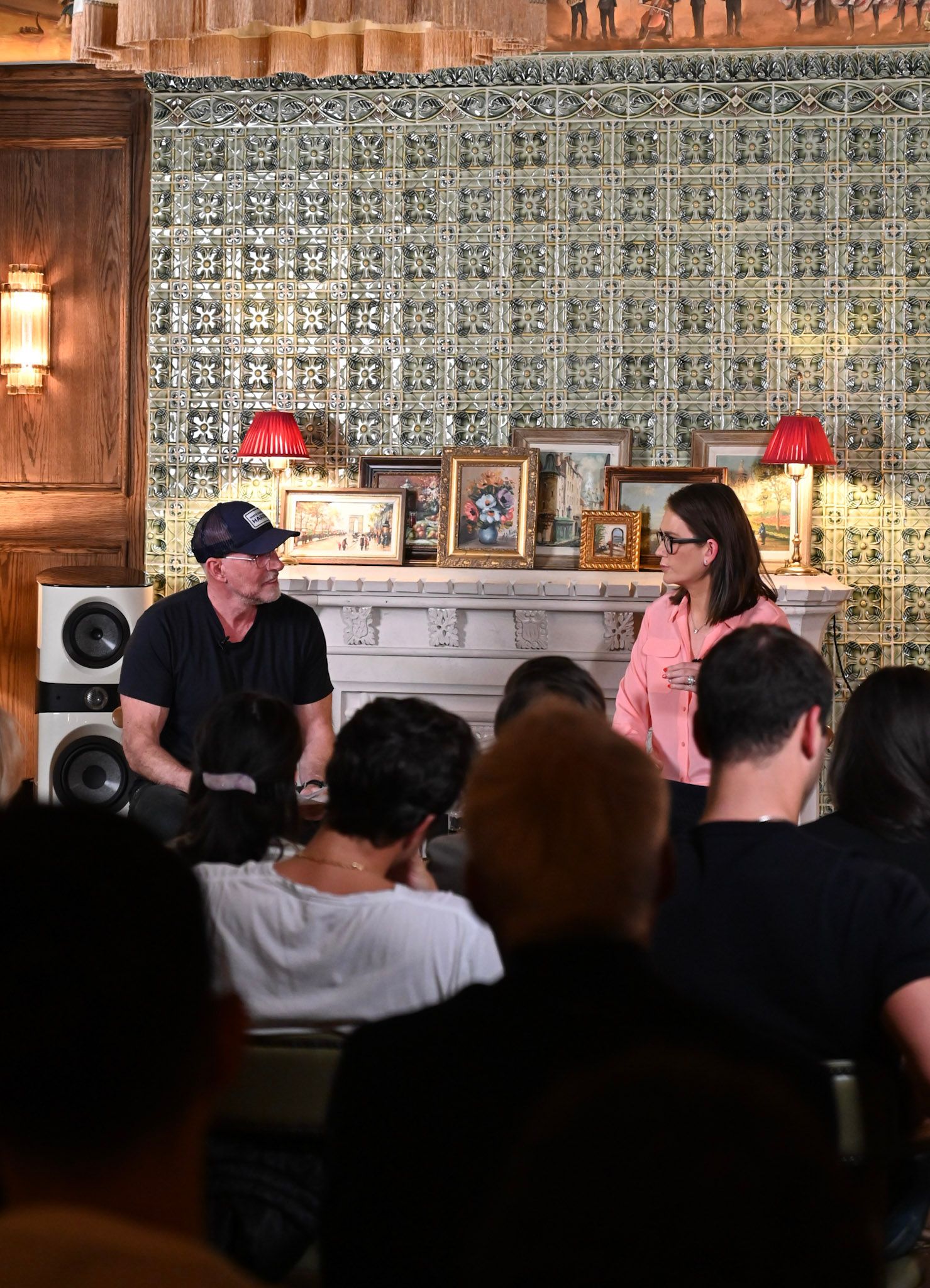
Maxwell does some of this as well but we take a very different tack to our cultural engagement for members – we want to lean into participation, we want to talk to each other instead of being talked at.
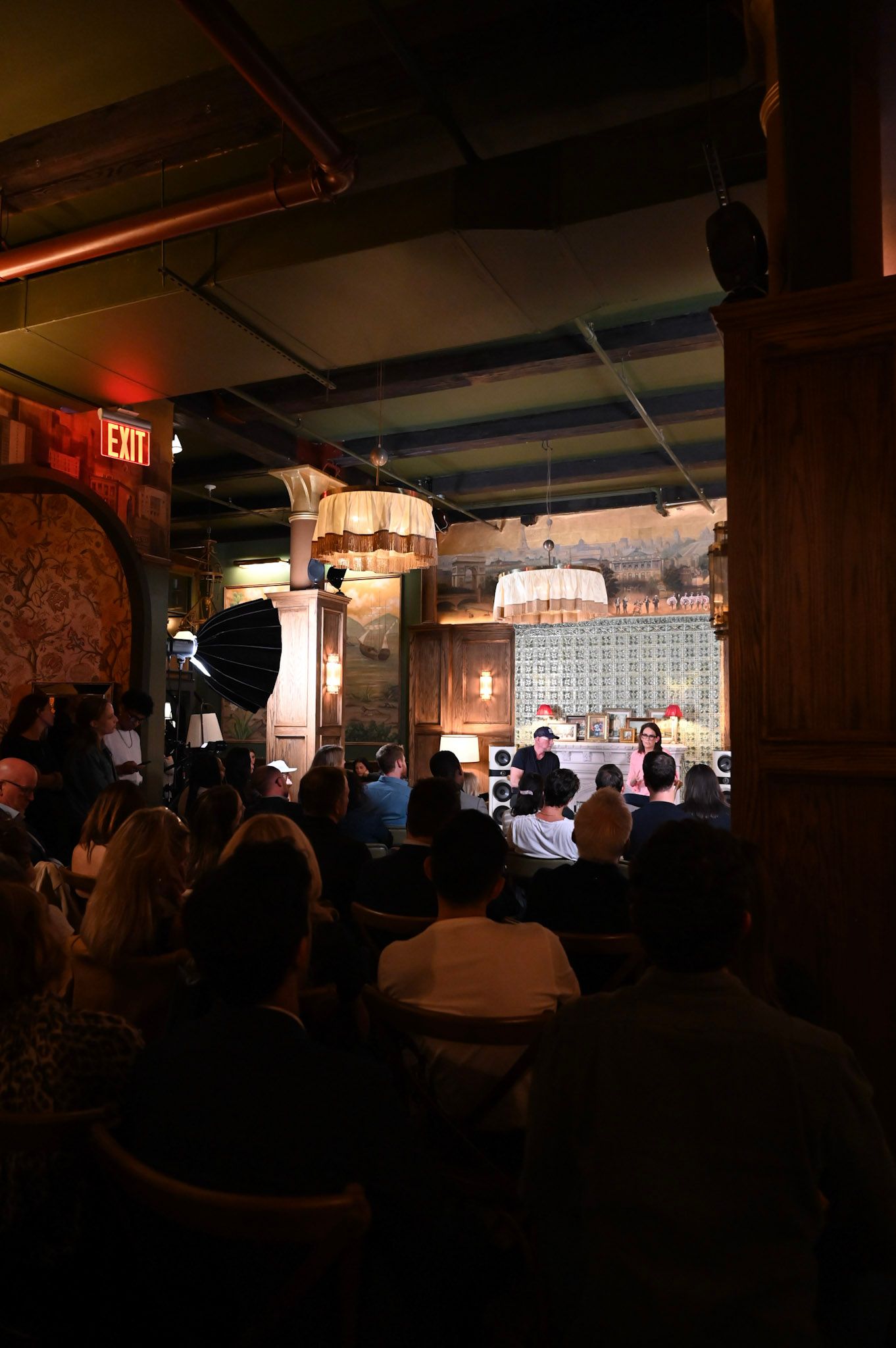
We host a regular monthly debate night – the first topic was the Iran War, anti or pro, and 25 members talked through a major geopolitical conflict.
Our philosophy is your entertainment for the evening should be the person to your left and your right, not someone on stage.
We’ve hosted our own set of amazing speakers – Scott Galloway did his Raging Moderates live podcast at Maxwell, we hosted the New Yorker Cartoonist’s 100 year anniversary party, we’ve had everyone from Steven Pinker to Bryan Johnson come through the space.
But too us cultural engagement means participation in more than a pseudointellectual salon, having real discussions, learning through interaction with fellow members, the type of interactions you can only have if the community is trusted and has been vetted.
Our Philosophy
Maxwell differs radically from other members clubs – we prioritize participation, we interview everyone 4 times, we are only open weekends, we ask every member to go through a cohort before they join. In short, we really care about community, not as a buzzword or a marketing schtick, but as the core of the club.
If all your looking for is a guaranteed reservation, a place to take a power lunch, some celebrity spotting or a way to always skip the line when you want to go out, the other clubs are for you.
But if you want to invest in real community in NYC we’d love to hear from you.