

It seems fitting to start with a memory. Twenty years ago, more or less, sinking for the first time into the world of Joachim Trier watching his debut feature Reprise, stumbling out of the Angelika dazed afterwards, as if surprised to find myself in New York City and not Norway. I think it was the Angelika? I’m almost sure. Or maybe that’s where I saw Oslo, August 31 a few years later. Maybe both films played there? Memory, that trickster. Of course, this is fitting, too, given that one of Trier’s preoccupations, as a filmmaker, is the “jumbled” way we process the past, as he’s put it.
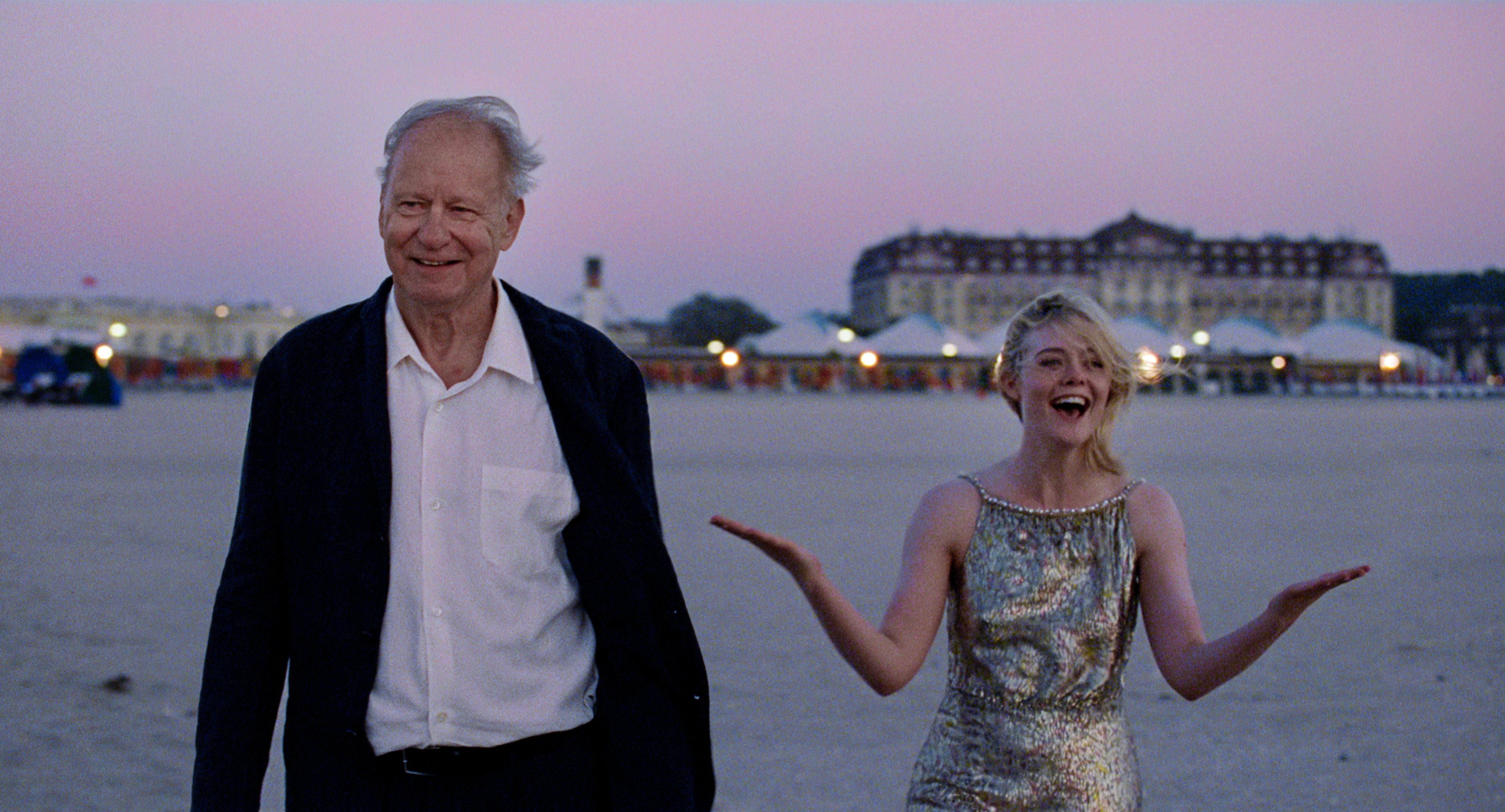
And also the way the past is always there, immanent, emerging in these little bursts. “I remember thinking, ‘I’ll remember this,’” is how Oslo, August 31 begins; it’s a film about a man who wants An American Starlet in Oslo to forget. But he can’t: One way or another, memory keeps imposing itself. Flashes upon the screen of the mind, shaped, analyzed, reinterpreted, amended, adding up to a personality, a point of view. But we are all unreliable narrators.
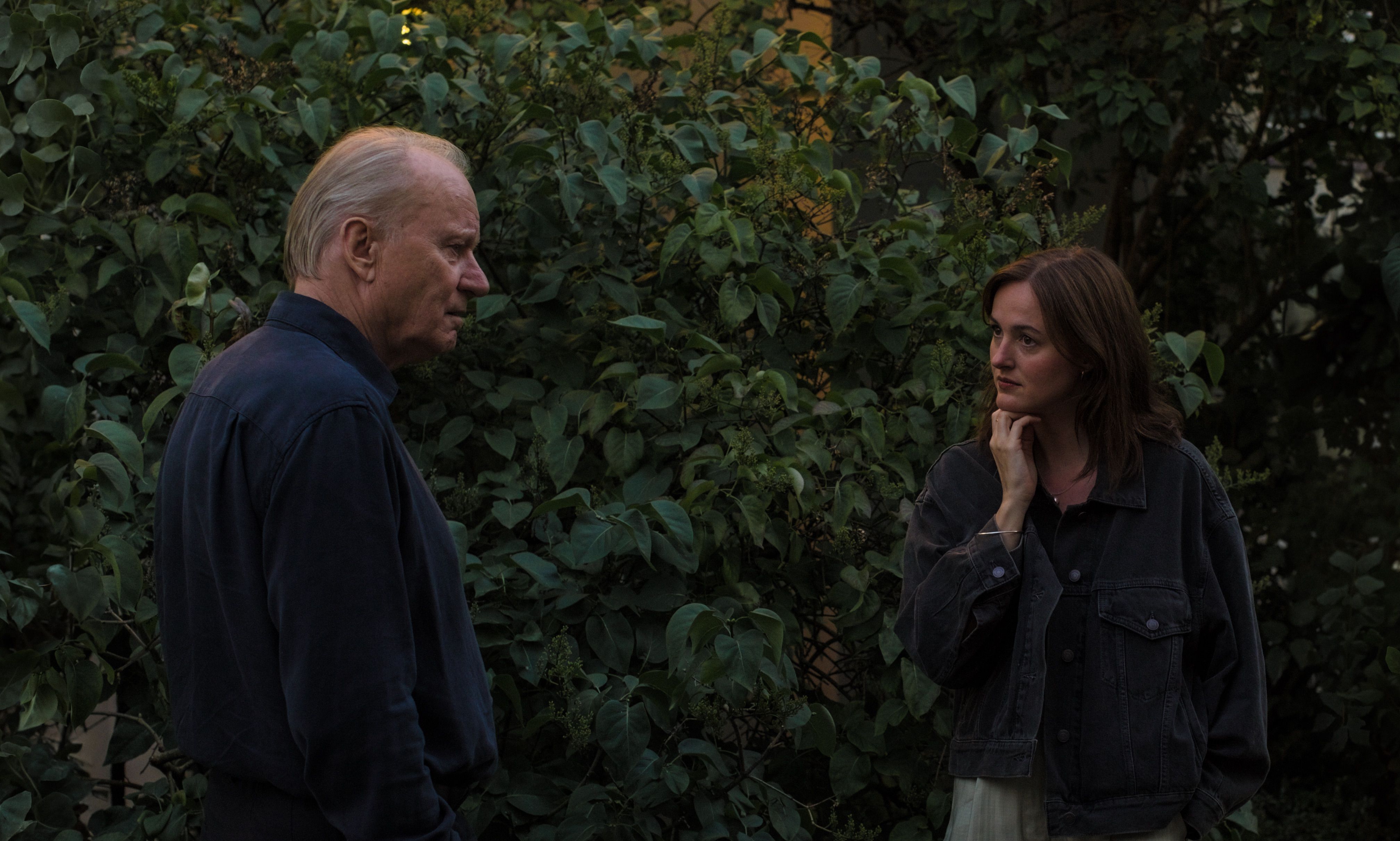
Trier’s latest film, Sentimental Value, is also about remembering. It’s right there in the title. You might also say it’s a movie about a house. Over generations, many memories have been made there. The house’s current owner is Gustav Borg (Stellan Skarsgård), a once-eminent director on the international arthouse circuit, who is trying to get a new film produced; one senses that this film, inspired by his childhood in the house, will be his last. He’d like his actress daughter Nora (Renate Reinsve) to play the lead role, but she won’t; she has her own memories of growing up in that house, and they’ve left her ill-disposed toward her father. Among other things, he seemed to value his career more than his family, when Nora was young. Her sister Agnes (Inga Ibsdotter Lilleaas), recalls things differently—not the facts so much as the color and texture of those facts. She’s less anxious than Nora, and less angry. The sisters have just lost their mother when the film starts; now, the house will be sold. The death of Gustav’s mother is at the heart of the film he wants to make. Sentimental Value is suffused with loss. The house where most of its action takes place is haunted, figuratively—not by demons, per se, but by some rather demanding ghosts. The end of the film is a kind of exorcism.
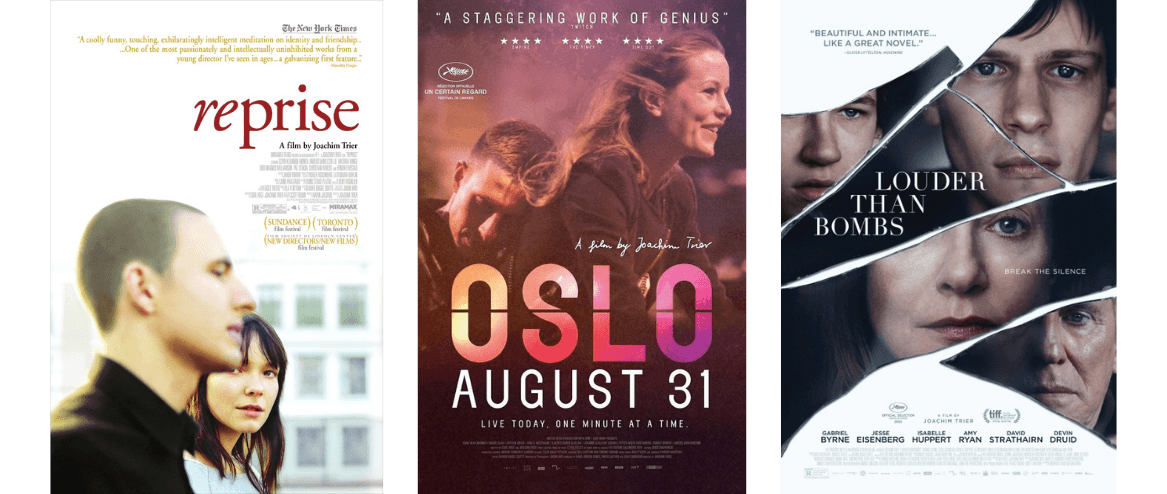
Sentimental Value is the first film Trier has made since becoming a father. He arrived at Cannes for the film’s debut last year with his wife and two young children in tow. It’s no coincidence that his filmmaking has taken a turn. Reprise, Oslo, August 31, and The Worst Person in the World, which earned Reinsve the Best Actress award at Cannes in 2021, are known, informally, as Trier’s “Oslo Trilogy;” what they document is the passage from youth, and the vertigo of possibility, to maturity’s grounding. Trier’s films aren’t autobiographical, and they’ve all been co-conceived and co-written with Eskil Vogt, but if you’ve gone to see them at the theater as they came out, as I have, you wind up with the sense that you’ve been growing up alongside the director. Trier got his start making skate videos with his friends; he’s always been interested in capturing a certain age-specific zeitgeist. Sentimental Value marks a new chapter: if this is the flagship film of a new Oslo Trilogy, we can look forward to Trier’s gentle, melancholy, sometimes humorous reckoning with the joys and devastations of middle age. It starts here, with an adult child coming to forgive a flawed parent. Here, with letting go.

"It’s easy to overlook the fact that Trier is simply making the kind of humanist films that used to be par for the course, before Hollywood decided that anything character-driven belonged on TV."
19-minute ovation at Cannes. Best Picture nod and Best International Film win at the Oscars. Etc. Sentimental Value comes cloaked in an aura of prestige; it’s easy to overlook the fact that Trier is simply making the kind of humanist films that used to be par for the course, before Hollywood decided that anything character-driven belonged on TV. He has his formalist influences for sure, fellow memory obsessives Alain Resnais and Andrei Tarkovsky among them. And Bergman is inevitable—Trier is Nordic, after all. In Reinsve he’s found his Ullmann, an actress who binds your eyes to the screen, who conjures universes of feeling in Trier’s “aggressively intimate” close-ups. In The Worst Person in the World she performs the minor miracle of aging before our eyes—or rather, growing up, evolving a more profound relationship with herself and with the world that surrounds her. This is the Trier film most directly addressed to the question, what is it like to be a person living, inescapably, in time?
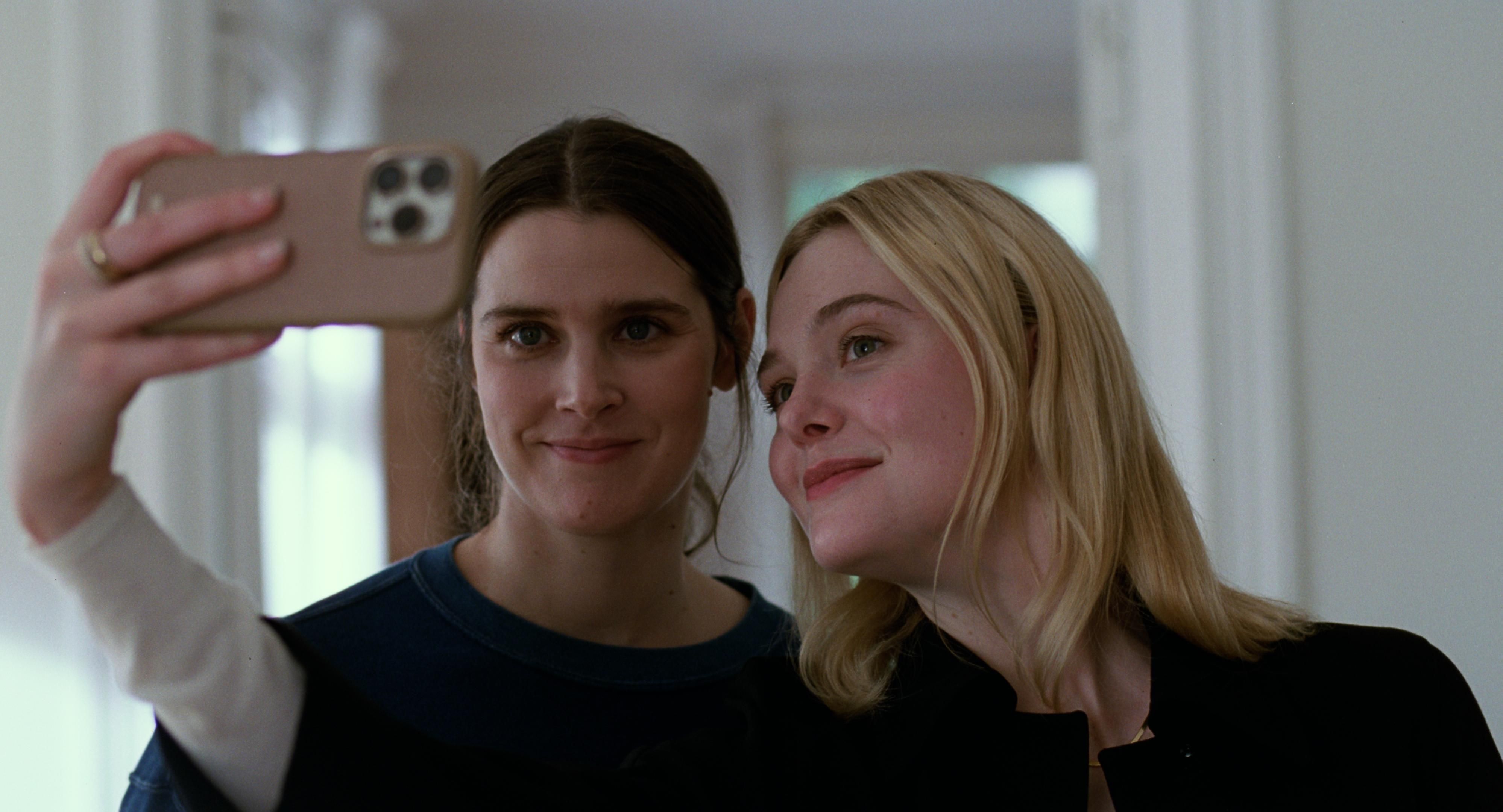
“Cinema is the art of memory,” Trier has said. That’s his answer to the question: live in time by depicting how it feels to be alive now. Your skater friends. Your artsy bohemian pals setting forth in their careers, full of hope, impatience, despair. The same crew as they settle down, start families—only there you are, outside that happy circle, wondering: Who am I now?
Where do I go? What’s the point? Forging your own path, on your own; looking back on the trials and tribulations of youth and laughing. Missing those who are gone. And this new phase, asking yourself, as you create the next generation of Triers, what are they going to remember? Show it all.