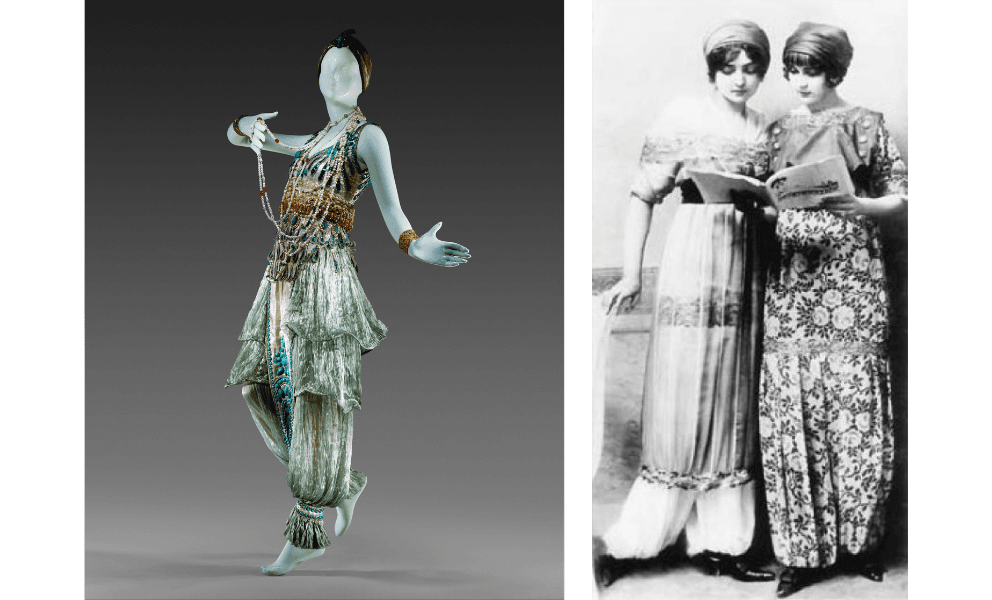

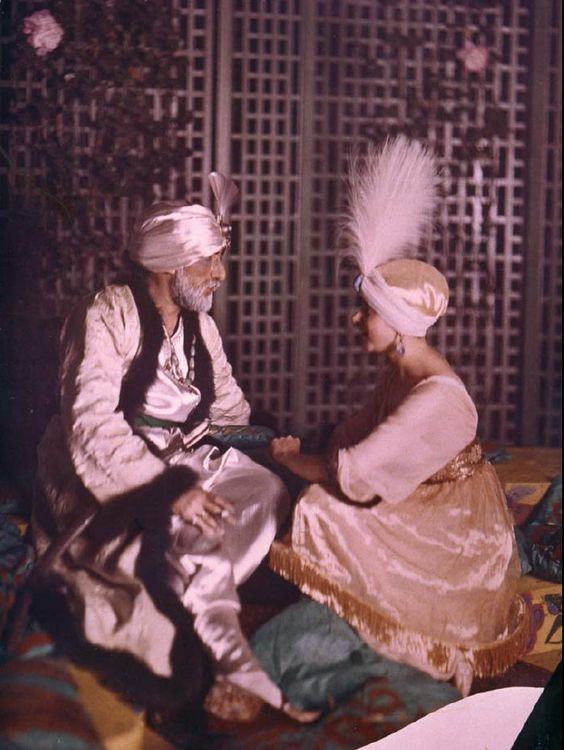
In 1911, Paul Poiret put on what today would be called a viral stunt: hundreds of people packed his Paris maison for "One Thousand and Two Nights," an extravagant fancy dress ball with exotic animals and decorations, champagne flowing all night, and an exorbitant price tag. It was luxury not just as product, but as performance—a model that would come to define the industry, and, time and again, leave even its grandest institutions exposed.
No matter, Poiret loved a good fête, a fact made clear in his monograph King of Fashion: The Autobiography of Paul Poiret (1931), titled after the nickname he earned in the American fashion press; in France, he was referred to as “Le Magnifique.”
Even today, the revered French couturier is having a moment in Paris. For his debut couture collection at Dior this past January, Jonathan Anderson drew inspiration from Poiret for his jewel-toned sequined tops, richly patterned silks, and thick fur collars and cuffs. Anderson said he got the idea after seeing a mural dedicated to the man near Dior’s Avenue Montaigne headquarters. Nearby, at the Musée des Arts Décoratifs, an exhibition titled Paul Poiret: Fashion is a Feast recently received raves.
In a review of the exhibition, WWD’s Miles Socha highlighted a 1924 Man Ray photograph of Peggy Guggenheim in a Poiret gown, noting that she wore it “with the ease of a T-shirt.” So did other society figures of the day like Sarah Bernhardt and Josephine Baker. Perhaps it went to Poiret’s head.
He once declared to the New York Times, “ladies come to me for a gown as they go to a distinguished painter to get their portrait put on canvas. I am an artist, not a dressmaker.”
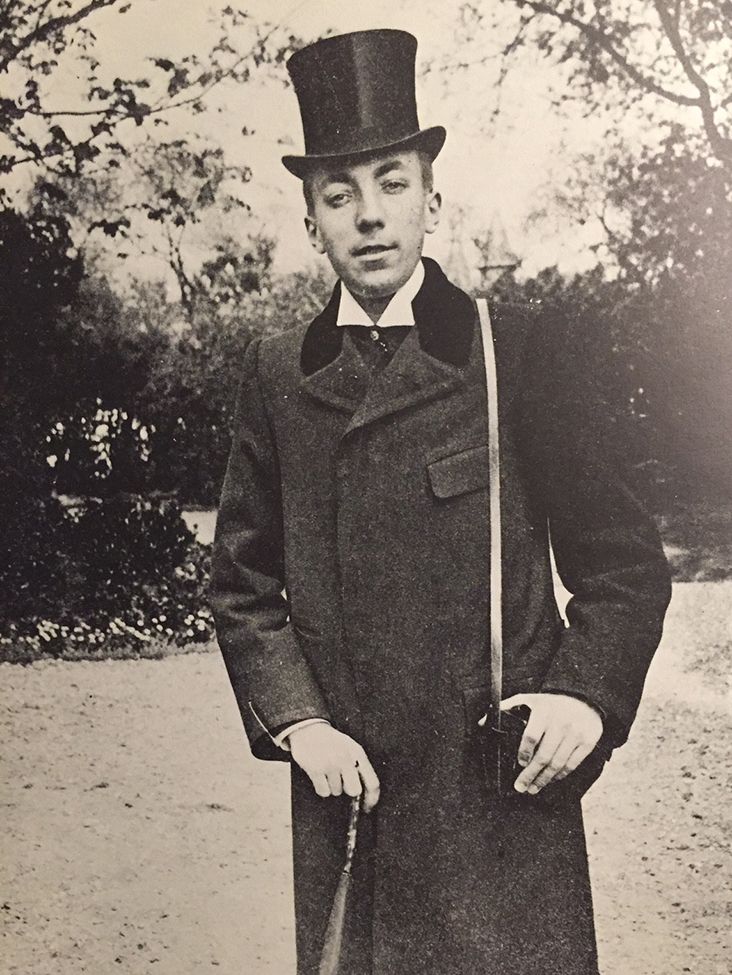
As is so often the case, that kind of ego came with boundless spending. Poiret found astounding creative and commercial success through his desire to both create riches and drown in them. But as the post–World War I depression settled in, he failed to adapt. In 1925, he lost the majority of his fortune after staging a huge exhibition on three large barges on the Seine. Madelief Hohé, curator of a 2017 Poiret retrospective at The Hague’s Gemeentemuseum, lamented that “he had found a style he loved and he didn’t move with the times.” Poiret fell into destitution, taking odd jobs to make ends meet and relying on the kindness of others to stay fed until his death in 1944. His protégé Elsa Schiaparelli—who would go on to define surrealist couture—had to pay for his funeral.
This Icarian pattern has repeated itself across the last century of fashion. Christian Lacroix, Thierry Mugler—so many greats have met the liquidator. And now a version is playing out with the department store Saks Fifth Avenue, where in the 1920s American women might well have bought their Poiret gowns. Oh, to have shopped this temple of fashion at any point over the last hundred years—the furs, handbags, and gowns one could buy. Those days are gone.
Of course Barneys New York went belly up years ago. But this feels different. For one thing, Saks owns Neiman and Bergdorf—and the behemoth’s struggles feel indicative of a broader industry contagion. TikTok shops and Shopify, DTC brands and shopping from the couch are here to stay, and no amount of remerchandising is going to change that reality. Saks already owed its vendors millions last year when it reorganized, pivoted to data, and took on debt. Now, with upwards of $3.4 billion in total debt—and over $700 million owed to vendors—fingers are being pointed and a miracle prayed for.
In fashion, as Paul Poiret knew better than anyone, magnificence and insolvency have always shared a dressing room.